
Testing and Inspection
Legionella Risk Assessment
It is also called a legionella assessment or an ACOP L8 risk assessment, after HSE's Approved Code of Practice. It is booked by landlords of rented homes, managing agents for blocks of flats, and employers or building managers responsible for workplaces.
Legionella risk assessment: comparing project situations
| System information | Assessment question | Useful evidence |
|---|---|---|
| Stored water | How is water held and circulated? | Tank and heater details with accessible locations. |
| Outlet use | Where might water remain unused? | Occupancy patterns and little-used outlet records. |
| Existing controls | How are problems identified and acted on? | Monitoring logs, defects and corrective actions. |
Making legionella assessment actions usable for maintenance
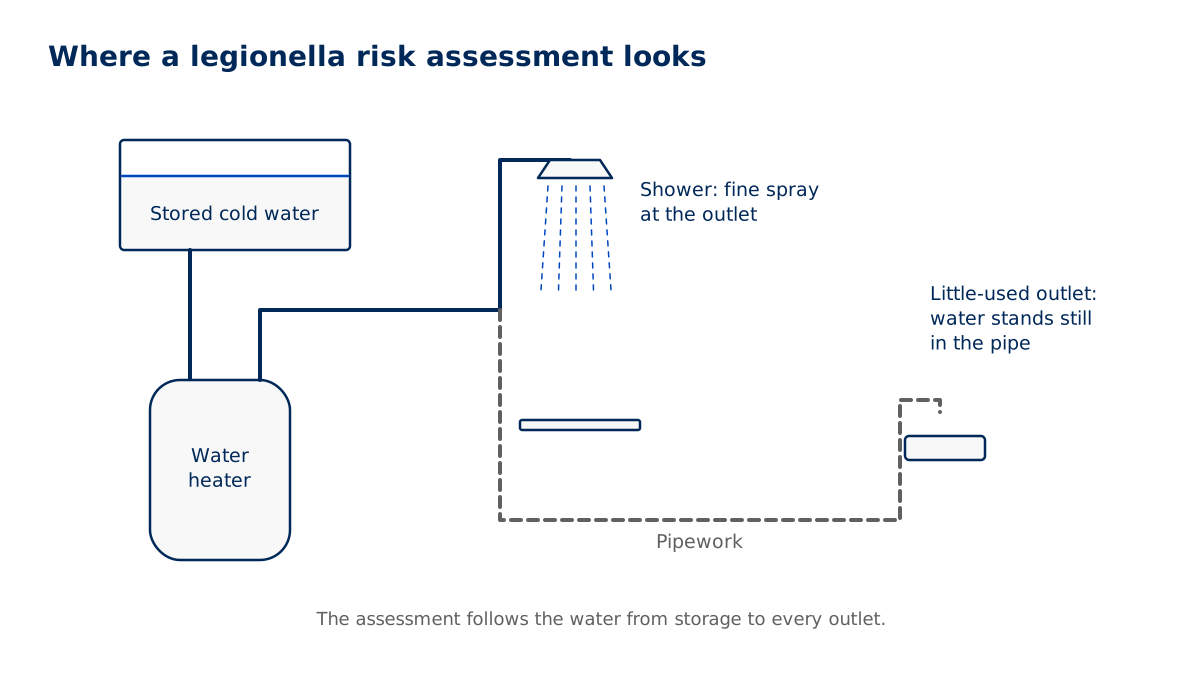
Give each action a location and an owner within the building team. A recommendation referring only to a tank or an unused outlet can be difficult to close out in premises with repeated layouts. Match the assessment references to plant labels and any existing schematic, then keep evidence of what was investigated or changed. If a wing is mothballed, rooms change use or new equipment is connected, explain those changes when seeking advice about the assessment. The written findings are easier to use when the assessor can distinguish the installed system from an outdated drawing and understand how water is actually used.
Records supplied after legionella risk assessment
You receive a written legionella risk assessment with a description of the water systems, the risks found, a schematic where relevant, temperature readings and a list of control measures. It forms part of the records HSE says dutyholders must keep, and gives tenants or staff the information they need about controls.(Source: HSE: Legionnaires' disease, what you must do)
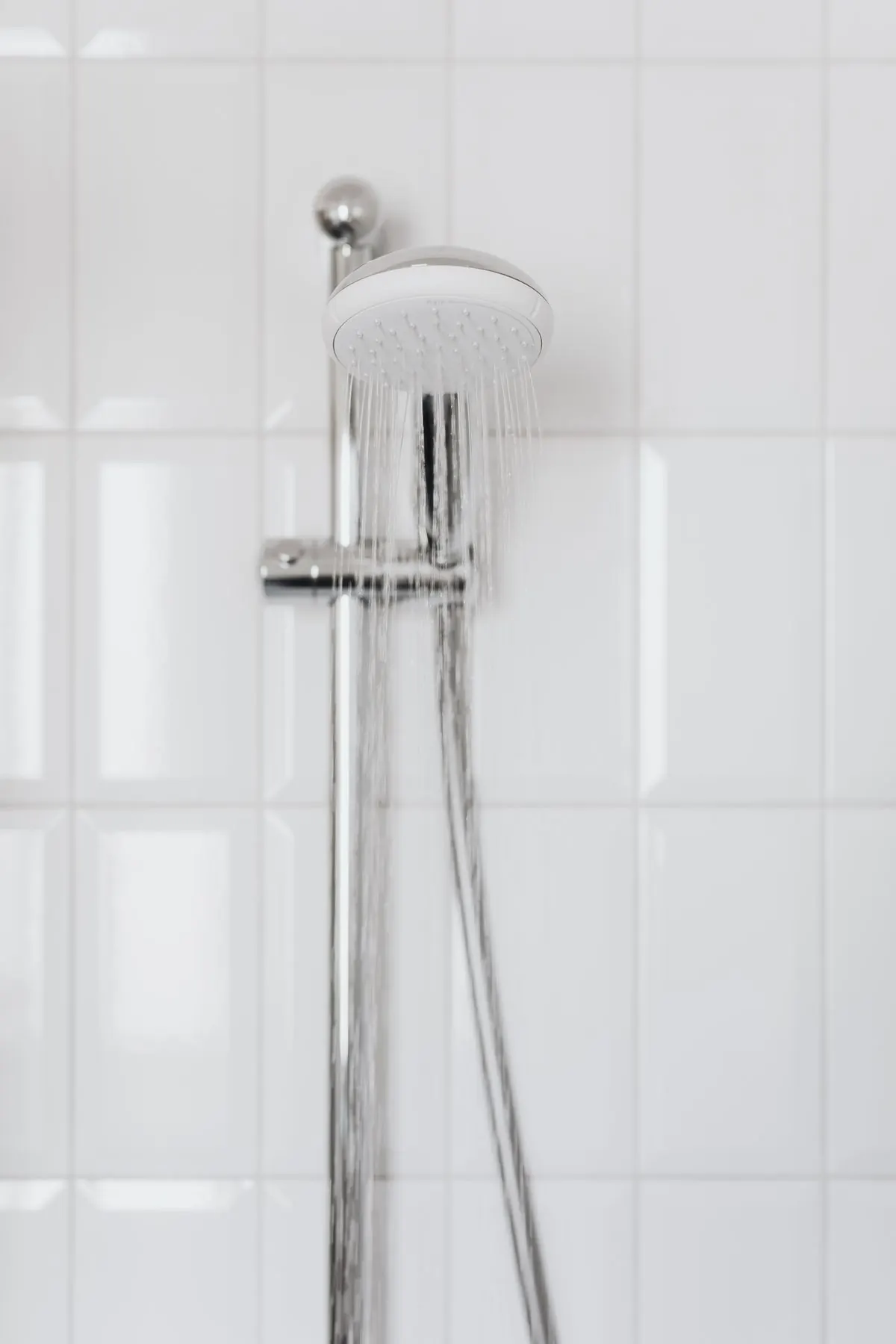
The assessment names the control measures, such as keeping hot water hot and cold water cold, flushing little-used outlets and cleaning showerheads, and says who should carry each one out. HSE says tenants should be told about controls they need to maintain.
Details included with legionella risk assessment
- A description of the water systems included in the instruction.
- System layout information and relevant plant references.
- Observations about storage, distribution and patterns of use.
- Review of the control information made available to the assessor.
- Identified concerns and recommended actions with location references.
- Limitations where plant, outlets or supporting records were unavailable.
Preparing information for legionella risk assessment
- Water system schematics showing storage, heaters, distribution routes and outlets where available.
- Previous legionella assessments and the current control or monitoring records.
- Details of occupancy, unused areas and changes to water use.
- Access to tanks, calorifiers, plant rooms and representative outlets.
- The contact responsible for water system operation and records of recent alterations.
When legionella risk assessment is needed
HSE says employers and anyone in control of premises, including landlords, must identify and assess sources of legionella risk, manage and prevent or control those risks, and keep records. The duties come from the Health and Safety at Work etc Act, the Management of Health and Safety at Work Regulations and the COSHH Regulations. The Approved Code of Practice L8 gives practical guidance.(Source: HSE: Legionnaires' disease, what you must do; HSE: Legionella and landlords' responsibilities; HSE: L8 The control of legionella bacteria in water systems (Approved Code of Practice))
For domestic lettings, HSE says landlords have a duty to assess the risk but that this does not require an in-depth, detailed assessment. HSE says the risks from hot and cold water systems in most residential settings are generally considered low, and that most landlords are able to understand the risks and put simple control measures in place. Landlords who are not competent, or not inclined to do it, can arrange for someone to assess the risk on their behalf.
Assess it yourself or use an assessor?
How this tool decides
Property type
- Single domestic let
- HMO or stored hot water with several bathrooms
- Small commercial premises
- Medium commercial premises, such as a care home
Water system
- Simple hot and cold water system
- Stored water or a more complex system
Able and willing to assess and control the risks?
- Yes
- No
Property type: Single domestic let uses the “Single domestic let” pricing band.
Property type: HMO or stored hot water with several bathrooms uses the “HMO or home with stored hot water and several bathrooms” pricing band.
Property type: Small commercial premises uses the “Small commercial premises” pricing band.
Property type: Medium commercial premises, such as a care home uses the “Medium commercial, for example a care home” pricing band.
Single domestic let / Simple hot and cold water system / Yes
You may be able to assess a simple domestic letting system yourself if you understand the risks and can apply the controls.
HSE says most domestic landlords can assess low-risk systems themselves; the duty to assess and control risks remains. HSE: Legionella and landlords' responsibilities
Single domestic let: £70 to £200 per property.
Indicative only. This is a typical UK market range based on prices published by other providers, checked November 2026. It is not a quote. Prices exclude VAT unless stated. Contact us for an accurate price for your project.
HMO or home with stored hot water and several bathrooms: £250 to £450 per property.
Indicative only. This is a typical UK market range based on prices published by other providers, checked November 2026. It is not a quote. Prices exclude VAT unless stated. Contact us for an accurate price for your project.
Small commercial premises: from £200 per property.
Indicative only. This is a typical UK market range based on prices published by other providers, checked November 2026. It is not a quote. Prices exclude VAT unless stated. Contact us for an accurate price for your project.
Medium commercial, for example a care home: from £500 per property.
Indicative only. This is a typical UK market range based on prices published by other providers, checked November 2026. It is not a quote. Prices exclude VAT unless stated. Contact us for an accurate price for your project.
Checked November 2026.
Next step: Record the assessment and controls, or send the system details for a competent assessment.
Deadline: Review when the system, building use or occupants change.
Otherwise / result rule
Use a competent assessor where the water system is complex, involves stored water or you are not confident about the risks.
HSE permits assessment on a landlord’s behalf; employers and those controlling premises must identify, assess and control legionella risks. HSE: Legionnaires' disease, what you must do
Single domestic let: £70 to £200 per property.
Indicative only. This is a typical UK market range based on prices published by other providers, checked November 2026. It is not a quote. Prices exclude VAT unless stated. Contact us for an accurate price for your project.
HMO or home with stored hot water and several bathrooms: £250 to £450 per property.
Indicative only. This is a typical UK market range based on prices published by other providers, checked November 2026. It is not a quote. Prices exclude VAT unless stated. Contact us for an accurate price for your project.
Small commercial premises: from £200 per property.
Indicative only. This is a typical UK market range based on prices published by other providers, checked November 2026. It is not a quote. Prices exclude VAT unless stated. Contact us for an accurate price for your project.
Medium commercial, for example a care home: from £500 per property.
Indicative only. This is a typical UK market range based on prices published by other providers, checked November 2026. It is not a quote. Prices exclude VAT unless stated. Contact us for an accurate price for your project.
Checked November 2026.
Next step: Send system schematics, previous records and access details to agree the assessment scope.
Deadline: Review after relevant changes to the system or use.
What to have ready
- Water system schematics showing storage, heaters, distribution routes and outlets where available.
- Previous legionella assessments and the current control or monitoring records.
- Details of occupancy, unused areas and changes to water use.
- Access to tanks, calorifiers, plant rooms and representative outlets.
- The contact responsible for water system operation and records of recent alterations.
How we work this out
The figures shown are indicative. They are ranges taken from prices that UK providers of this service have published, and they are here to help you budget. They are not a quote, an offer or a price guarantee from National Building Compliance.
Your actual price depends on details this tool cannot see, including the size and layout of the building, how many units there are, access, location, how complete your drawings are, and how quickly you need the work. It may be lower or higher than the range shown.
Unless a figure says otherwise, prices exclude VAT. The date each range was last checked is shown beside it.
For an accurate, fixed price, send us your project details. We will confirm the scope and quote before any work is booked.
Indicative market costs
| Case | Unit | Indicative range |
|---|---|---|
| Single domestic let | per property | £70 to £200 Indicative only. This is a typical UK market range based on prices published by other providers, checked November 2026. It is not a quote. Prices exclude VAT unless stated. Contact us for an accurate price for your project. |
| HMO or home with stored hot water and several bathrooms | per property | £250 to £450 Indicative only. This is a typical UK market range based on prices published by other providers, checked November 2026. It is not a quote. Prices exclude VAT unless stated. Contact us for an accurate price for your project. |
| Small commercial premises | per property | from £200 Indicative only. This is a typical UK market range based on prices published by other providers, checked November 2026. It is not a quote. Prices exclude VAT unless stated. Contact us for an accurate price for your project. |
| Medium commercial, for example a care home | per property | from £500 Indicative only. This is a typical UK market range based on prices published by other providers, checked November 2026. It is not a quote. Prices exclude VAT unless stated. Contact us for an accurate price for your project. |
Checked November 2026.
Legionella Risk Assessments for single domestic let in England typically costs £70 to £200 per property before VAT, based on prices published by UK providers and checked in November 2026. This is indicative and not a quote.
Indicative only. This is a typical UK market range based on prices published by other providers, checked November 2026. It is not a quote. Prices exclude VAT unless stated. Contact us for an accurate price for your project.
Legionella Risk Assessments for hmo or home with stored hot water and several bathrooms in England typically costs £250 to £450 per property before VAT, based on prices published by UK providers and checked in November 2026. This is indicative and not a quote.
Indicative only. This is a typical UK market range based on prices published by other providers, checked November 2026. It is not a quote. Prices exclude VAT unless stated. Contact us for an accurate price for your project.
Legionella Risk Assessments for small commercial premises in England typically costs from £200 per property before VAT, based on prices published by UK providers and checked in November 2026. This is indicative and not a quote.
Indicative only. This is a typical UK market range based on prices published by other providers, checked November 2026. It is not a quote. Prices exclude VAT unless stated. Contact us for an accurate price for your project.
Legionella Risk Assessments for medium commercial, for example a care home in England typically costs from £500 per property before VAT, based on prices published by UK providers and checked in November 2026. This is indicative and not a quote.
Indicative only. This is a typical UK market range based on prices published by other providers, checked November 2026. It is not a quote. Prices exclude VAT unless stated. Contact us for an accurate price for your project.
What affects the cost of legionella risk assessment
Legionella risk assessment costs depend on the water system layout, outlet distribution, storage arrangements and available records. Access to tanks, heaters and little-used areas affects the visit. Missing schematics or incomplete maintenance information can increase investigation work and influence when the assessor can complete a clear account of the system.
- Price
- [[TO SUPPLY: Legionella Risk Assessments price from]]
- Turnaround
- [[TO SUPPLY: Legionella Risk Assessments turnaround time]]
Understanding the outcome of legionella risk assessment
A simple flat with a combi boiler and mains-fed cold water is very different from a block with stored water, a shared hot water system or little-used outlets. Use a competent assessor where systems include tanks or cylinders, serve several homes, have dead legs or long runs, or where occupants are more vulnerable. An assessor is also useful when you manage a portfolio and want a consistent record across properties.
How legionella risk assessment is arranged
- You tell us about the building, the number of units and the water systems.
- We book a competent assessor to visit.
- The assessor inspects the hot and cold water systems, including any stored water, water heaters, showers and little-used outlets.
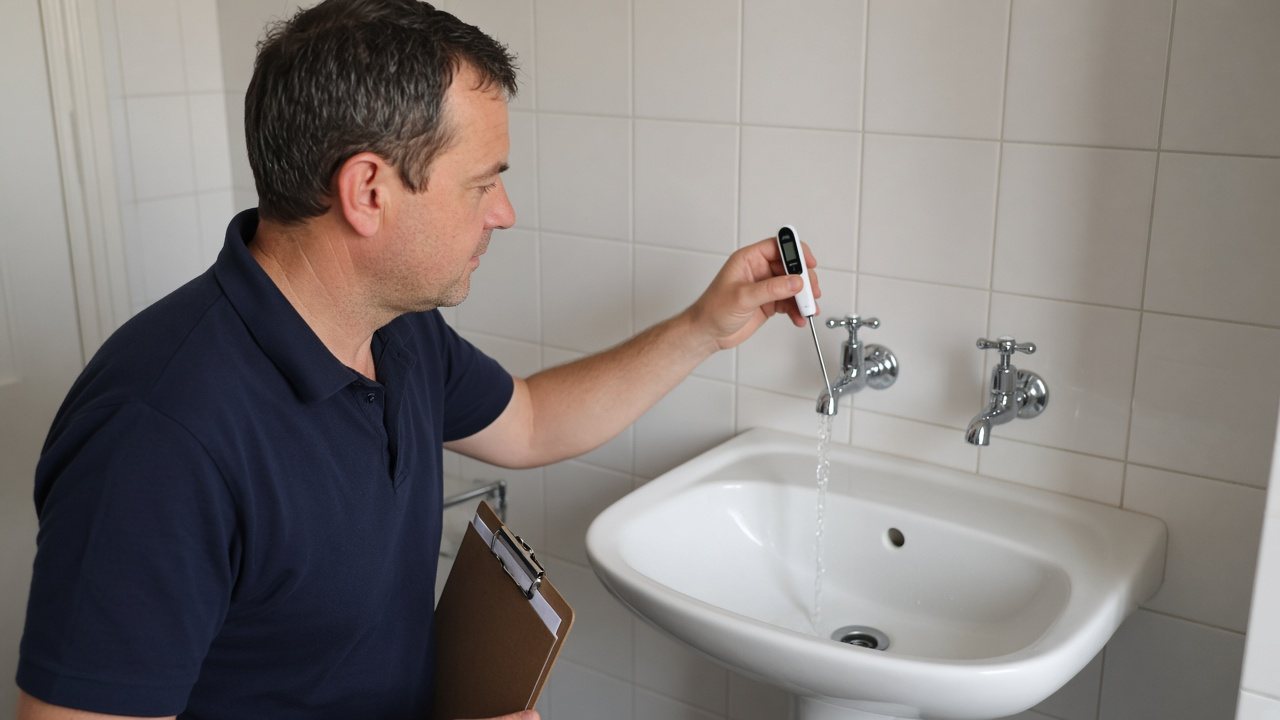
- Water temperatures are measured at representative outlets.
- The assessor identifies risks and sets out control measures and who should carry them out.
- We send the written assessment and record of findings.
Questions about legionella risk assessment
Is a legionella risk assessment a legal requirement?
Yes. HSE says employers and those in control of premises, including landlords, must identify and assess legionella risk and keep records.
Can I do my own legionella risk assessment?
HSE says most landlords of domestic properties are able to understand the risks and apply simple controls, so many assess the risk themselves. Use a competent assessor for larger or more complex systems, stored water, or when you are not confident.
How often should it be reviewed?
HSE says the assessment should be reviewed in case anything changes in the system. Review it after changes to the water system, the building's use or the occupants. See our guide on review frequency.
Do I need water testing for legionella?
HSE says testing is not usually required for domestic hot and cold water systems. Temperature monitoring is the usual check.
How much does a legionella risk assessment cost?
It depends on the size and complexity of the systems. Published prices: [[TO SUPPLY: price from]].
Request a quote
Tell us about the project once. We will confirm which services apply and send a quote.
All fields marked * are required.